




















Clinic marketing: 5 steps to more bookings without losing patient trust
A five-step booking plan for clinics: the Google profile and reviews, a page per service with WhatsApp booking, what Meta and Google accept in a clinic ad, and four monthly numbers.
On this page15
- The common mistake
- The big picture: clinic marketing in four stops
- A comparison from Smouha
- Try it: the booking funnel calculator
- Step 1: the clinic’s Google Business Profile
- Step 2: one page per service, booking in one tap
- Step 3: what can a clinic ad say?
- Step 4: follow-up after the first visit
- Step 5: how to work out cost per booking and show-up rate
- A worked example: a dermatology clinic in Smouha
- Checklist before your next campaign
- Your task
- Questions people ask
- Free resource
- Next step
In clinic marketing, an ad that opens with “Do you suffer from acne?” breaks Meta’s own policy. Meta bars ads that assert or imply a reader’s health condition, and its own example of a banned line is “Do you have diabetes?”.
This guide is for the owner of a clinic or the manager of a medical centre in Egypt or Saudi Arabia. You spend on ads, you get plenty of messages, and the appointment book is still half empty.
You will leave with a five-step booking plan, a clear view of what your ads may say, and four numbers to work out every month.
Note: this is marketing guidance, not legal or medical advice.
The common mistake
Clinic owners judge an ad by the number of messages it brings, and they pay more to whoever brings more messages. Then they write the ad like a shop would: a discount, a guaranteed result, a before-and-after photo.
A message is not a consultation. Patients book when they trust you, and an inflated promise erodes that trust. It can also earn you a violation.
The big picture: clinic marketing in four stops
- They find you: the clinic’s Google profile and its reviews.
- They are convinced: one page per service that explains the visit before it asks for a booking.
- They book: a WhatsApp button with a ready message, and a person who answers it.
- They show up and come back: a reminder before the appointment and a follow-up after the first visit.
Ads fill the first stop with people. They do not fix the stops after it. We will take each stop in its own step.
A comparison from Smouha
Picture a clinic on the third floor of a building in a side street in Smouha, Alexandria. The Google profile is the sign on the street. The service page and the WhatsApp reply are the receptionist on the phone.
Ads raise the number of people walking down the street. They do not climb the stairs with them, and they do not answer the phone.
The rule: count the visits that happened, not the messages that arrived.
Try it: the booking funnel calculator
In the first tab, enter your ad spend, booking requests and show-up rate, and see what each visit that actually happened cost you. In the second, judge six ad lines as acceptable or not. The third builds a WhatsApp booking link for your clinic.
Step 1: the clinic’s Google Business Profile
Google ranks local results on three things: how well a profile matches the search, distance, and how well known the business is. Reviews feed that last factor, and they are the part you control.
Name, category and doctor
- Use the name on your sign. Google’s guidelines do not allow marketing taglines in the business name, and breaking that rule can get the profile suspended.
- Choose the fewest categories that describe your core business, the most specific one first. “Dermatology clinic” says more than “Medical center”.
- A doctor who sees patients directly can have a profile of their own. A solo doctor in a branded clinic uses one profile named “Clinic name: Doctor name”.
- Add your services under the names patients search for, plus photos of the entrance, the reception and the building so people find the place. No photos of patients.
WhatsApp and booking links on the profile
On a verified profile, go to Edit profile, then Contact, then Chat, and paste the clinic’s WhatsApp link. You can add a “Book an appointment” link under Bookings. Chat is only available in some regions, so it may not show on yours.
How to ask for reviews within Google’s rules
- Ask every patient after the visit, with a link or a QR code.
- Do not ask only the happy ones. Google’s policy bars selectively soliciting positive reviews.
- Offer nothing in return: no free consultation, no discount. Google treats that as fake engagement.
- Reply to every review politely, with no detail about the writer’s condition or treatment.
Step 2: one page per service, booking in one tap
Someone searching for “laser hair removal in Smouha” does not want a generic home page. They want a page on that service: who it suits, how the visit goes, the doctor, the branch, the days and the fee.
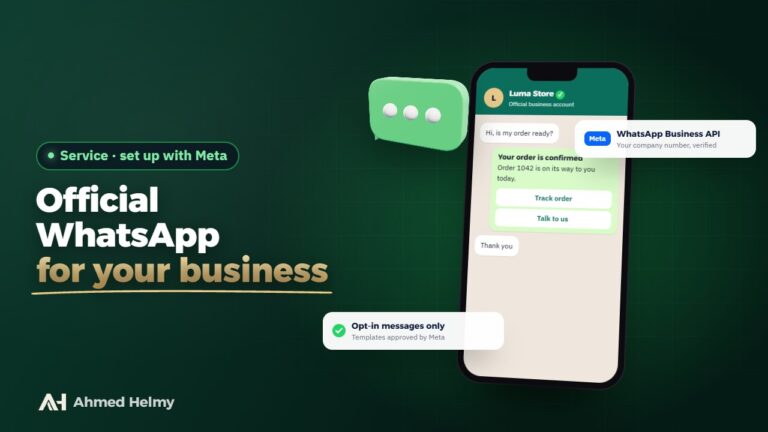
At the bottom of the page, a WhatsApp button opens a ready message naming the clinic and the service. A named person answers it during working hours. WhatsApp’s own link format is wa.me followed by the number in full international form, with no leading zero, no plus sign and no dashes.
https://wa.me/201001234567?text=...
The number is made up: 01001234567 in Egypt becomes 201001234567. Everything after text= is the ready message, and the third tab of the calculator writes it for you.
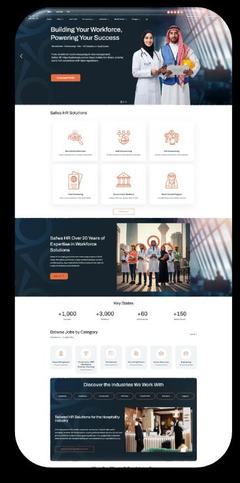
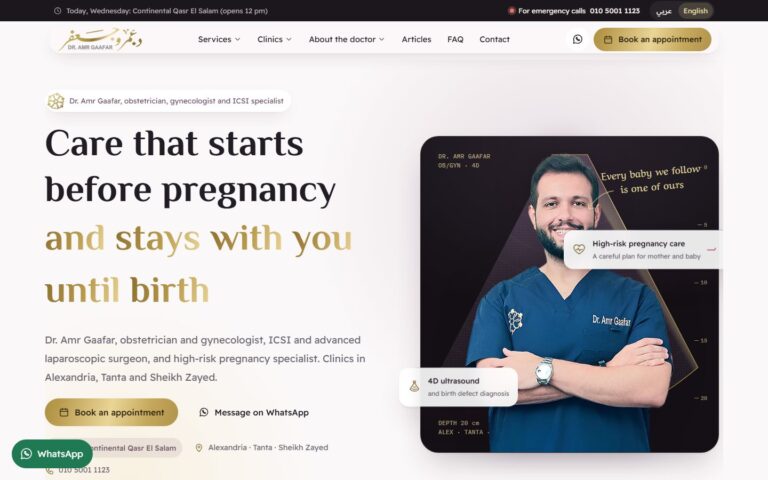
That is how I built Dr. Amr Gaafar’s website: one card per clinic with the area, days and fee, and a WhatsApp button whose message names that clinic. There is no booking form any more: the patient lands in a chat the clinic already answers.
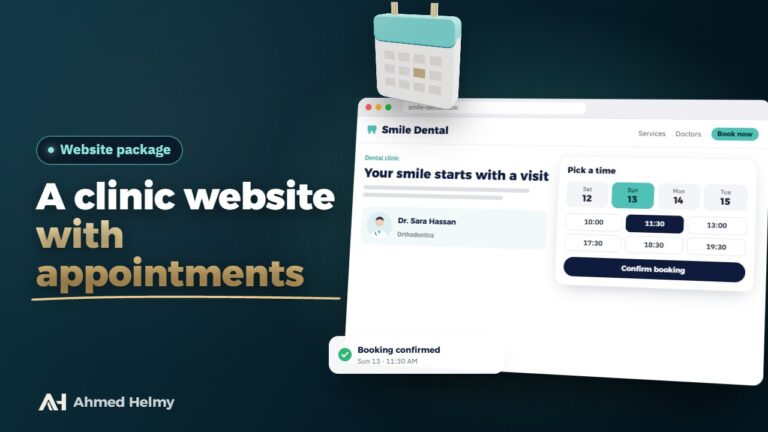
For a clinic with no website yet, the clinic website and online booking package covers doctors, services and branches, plus the Google profile setup.
Step 3: what can a clinic ad say?
Before you write the ad, check what the platform you publish on accepts. Here are Meta’s and Google’s rules as I read them on 4 November 2026:
- Do not assume the reader’s condition: write “Acne treatment in Smouha”, not “Do you suffer from acne?”.
- No cure claims: Meta bars claims to cure the diseases on its list, including diabetes, psoriasis and cancer, even from a doctor. Talking about managing symptoms is allowed.
- Cosmetic ads for adults: Meta requires ads for cosmetic procedures and weight loss to target people aged 18 and over.
- Google and your patient lists: health is a sensitive category in Google Ads. If you promote treatment for a chronic condition, pregnancy and fertility, surgery or cosmetic injections, you cannot use Customer Match or audiences built from your own data. Location targeting stays, and it is enough for a clinic whose patients live nearby.
Step 4: follow-up after the first visit
A patient who has visited once is closer to you than any new patient, and you pay no ad to reach them. Their health data is sensitive, though, so follow-up comes with conditions.
- Consent first: at booking, ask whether they accept reminders and follow-up messages on WhatsApp, and record the answer. Make stopping the messages easy for them.
- Keep care and marketing apart: an appointment reminder serves the patient; an offer is marketing. Never build the offer on their diagnosis.
- A simple sequence: a confirmation at booking, a reminder the day before with the address and a map link, a message after the visit with the review link, and a reminder of the follow-up appointment if the doctor set one.
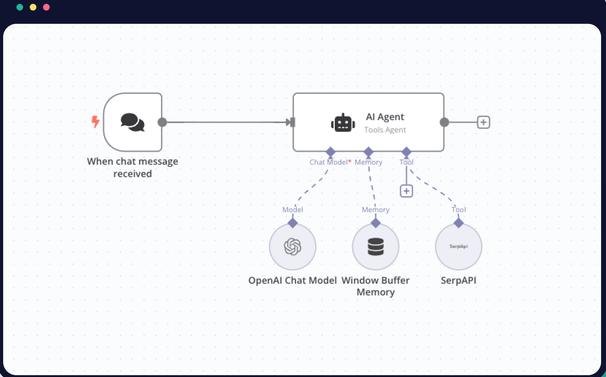
If these messages go out automatically through the WhatsApp API, reminder templates are charged per message. I explain the costs in What is the WhatsApp Business API.
Step 5: how to work out cost per booking and show-up rate
Give every campaign its own code, ask everyone who books how they found you, and log it all in one sheet. Then work out four numbers each month:
| Number | How to work it out |
|---|---|
| Cost per booking | Ad spend ÷ confirmed bookings |
| Show-up rate | Visits that happened ÷ confirmed bookings |
| Cost per attended visit | Ad spend ÷ visits that happened |
| Return rate | Patients who came back within 90 days ÷ first-visit patients in the same period |
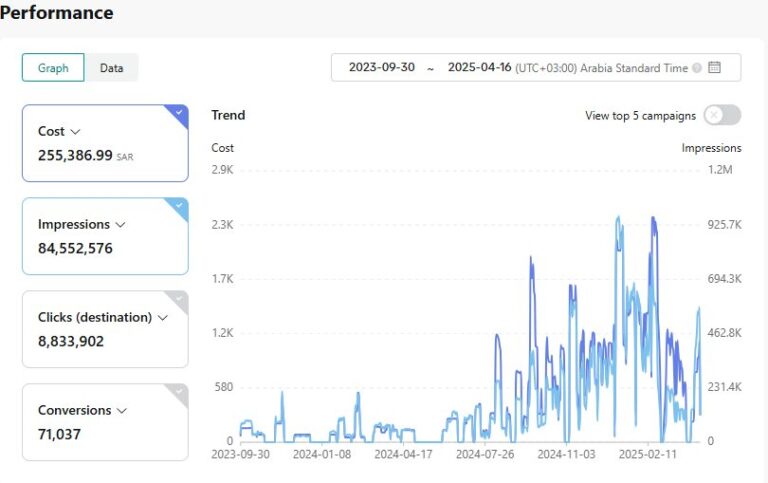
At Ricci Clinics in Alexandria, each campaign carried its own code, so every booking could be traced to the ad behind it. Bookings rose 40% in the first three months against the clinics’ previous campaigns, within the budget they had.
A worked example: a dermatology clinic in Smouha
The clinic and the numbers are made up. It spends EGP 15,000 a month and gets 600 booking requests. 30% of them confirm, 70% of those show up, and the clinic earns EGP 600 per visit on average.
| Item | Show-up at 70% | If show-up rises to 85% |
|---|---|---|
| Confirmed bookings | 180 | 180 |
| Visits that happened | 126 | 153 |
| Cost per booking | EGP 83 | EGP 83 |
| Cost per attended visit | EGP 119 | EGP 98 |
| Visit revenue | EGP 75,600 | EGP 91,800 |
That is 27 more visits and EGP 16,200 more revenue without one extra pound of ads. It is why I start with clinics on replies and reminders before I raise the budget.
Worth knowing
Google says plainly that there is no way to request or pay for a better local ranking. Ranking is earned with a matching profile and real reviews, not bought.
Source: How Google determines local ranking, Google Business Profile Help
Checklist before your next campaign
- My Google profile is verified, uses the name on my sign, a precise category and named services.
- I ask every patient for a review with one link, with no reward and no filtering.
- Every service has a page with the doctor, branch, days, fee and a WhatsApp button with a ready message.
- My ads do not assume the reader’s condition, promise a result or show procedure photos.
- I have recorded consent from every patient I send follow-up messages or offers to.
- I work out the four numbers every month.
Your task
Open last month’s appointment book. Count the booking requests, the confirmed bookings and the visits that happened, and write down your ad spend. Put the numbers into the calculator above, then run your current ad lines through the second tab.
Questions people ask
How do I market my clinic on a small budget?
Start with what costs no ad money: a complete Google profile, reviews from every patient, a page per service and fast WhatsApp replies. Then spend on one ad with a tracking code, and raise the budget once you know your cost per attended visit.
Should I buy Google Maps reviews?
No. Google’s policy bars fake engagement and any reward for a review, whether money, a discount or a service. Real reviews from every patient come slower, but they stay.
What is a reasonable cost per booking for a clinic?
No single number fits every specialty. Work out your ceiling from your own clinic: what you keep from the first visit and the return visits after costs. Then compare your cost per attended visit with it, not your cost per message.
Free resource
A one-page Word checklist with the five steps of this guide and the four numbers with their formulas.
Next step
Send me one month of numbers: ad spend, booking requests, confirmed bookings and visits that happened. I will tell you plainly where bookings leak in your clinic and what I would fix first. Send me your clinic’s numbers.